Guías
MSRP, reprints and hype: why sealed TCG prices move (and how to time your buy)
Print waves push prices toward MSRP, scarcity pulls them up after end-of-print, and hype does the rest. The mechanics behind sealed TCG prices — and how to time your buy.
Escrito por el equipo de Cardheist · Publicado 11.07.2026
One month a booster box sits comfortably below its recommended price; the next it's climbing, or a shop is advertising a "discount" that isn't one. Sealed TCG prices can look chaotic, but underneath there are a few simple mechanisms doing most of the work. Understand them and timing your buy stops being guesswork.
MSRP is an anchor, not a floor
Every sealed product has a manufacturer's suggested retail price, and while a set is actively supplied, MSRP acts as a gravity well. Retailers all buy from the same distribution pipeline, so when stock is plentiful they compete downwards — which is why in-print product frequently sells at or below MSRP, and why paying above it for something still being printed should always make you pause. MSRP is also the reference every discount claim is measured against, so knowing it turns marketing noise into arithmetic.
Print waves and reprints push prices down
Publishers don't print a set once; popular sets get additional print waves, and standout products are sometimes reprinted long after their debut. Each new wave refills the shelves and pushes street prices back toward MSRP — occasionally sharply, when a spike had been driven purely by a temporary shortage. This is the single most common way sealed "investments" go wrong: buying during a shortage-driven spike, just before a reprint lands. The rule of thumb: as long as a publisher can reprint a product, scarcity is temporary — and mainstream products from a current set are usually the ones most likely to be resupplied.
End of print flips the mechanism
Once a set leaves print, the supply side of the equation is fixed forever, and the slow grind begins: every box opened is a box removed. Prices don't jump the day printing stops — sell-through takes time, and clearance discounts often appear first as retailers empty their shelves — but over the following years, sealed product from genuinely popular sets tends to drift upward as remaining supply thins out. Which sets actually reward the wait is a separate question we cover in which sealed TCG products hold their value; the mechanism, though, is the same everywhere: fixed supply, slowly shrinking.
Hype moves faster than supply
The third force is demand shocks, and they move on a much shorter clock:
- Set launches. Release windows concentrate attention and buying. Prices around launch reflect that heat, and popular launch products regularly cool once the initial wave passes and supply catches up.
- Meta and content spikes. A card breaking a competitive format, a creator opening a box on stream, a nostalgia wave around an anniversary — demand can jump overnight while supply can't.
- Seasonal pressure. Holiday shopping tightens availability on giftable products, and clearance periods afterwards loosen it again.
Hype spikes are the moments when discipline pays most. The product didn't change; the crowd did. If you weren't planning to buy it last month, a spike is rarely the month to start.
How to actually time your buy
You can't predict reprints or viral moments, but you don't need to — you just need to recognise where in the cycle a product currently sits:
- Read the price history first. Every product page here has a price chart and a price-analysis section. A flat line near the historical low says "in print, well supplied — buy when convenient". A recent sharp climb says "shock — wait unless you must". A slow multi-month drift upward on an older product says "supply thinning — waiting has a cost".
- Read the spread across retailers. When many shops we track sit close together in price, the market is settled. When one shop is far below the rest, that's either the deal of the week or a stock-clearing signal — either way, worth a closer look.
- Let the Heist Score triage for you. The 0–100 score combines discount depth, price history and other signals, so the deals page sorted by score surfaces the offers that are genuinely below their usual level.
- Never trust a discount percentage on its own. A "30% off" sticker against an inflated reference price is theatre. The price history tells you what the product actually trades at — that's the only comparison that matters.
Putting it together
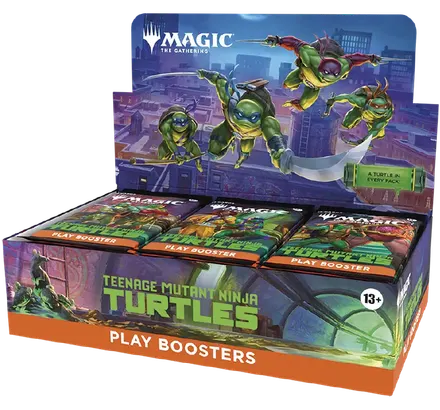
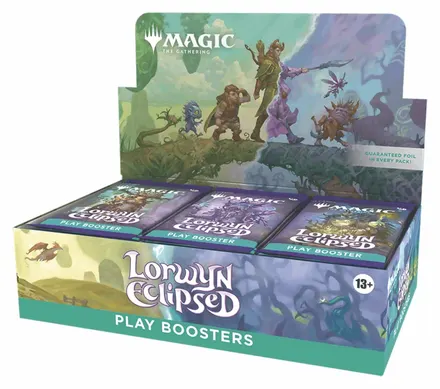
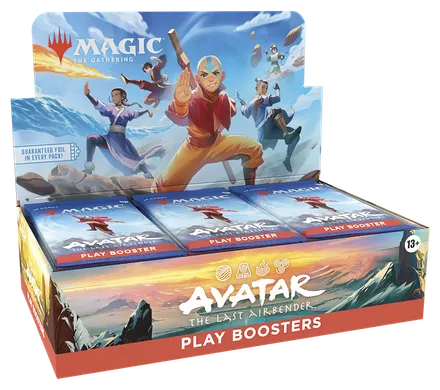
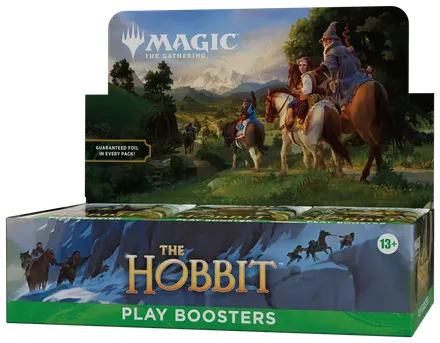
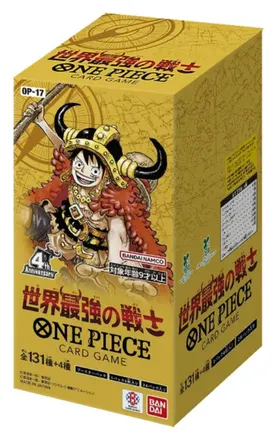
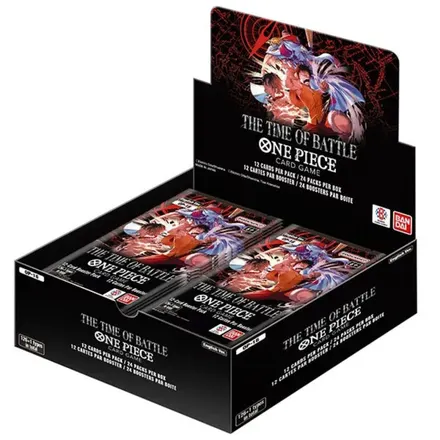
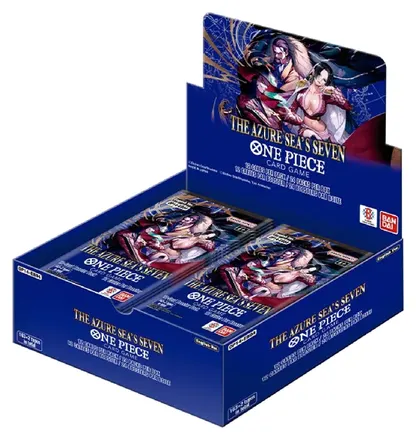
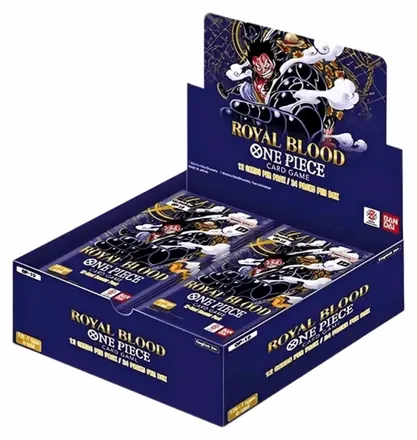
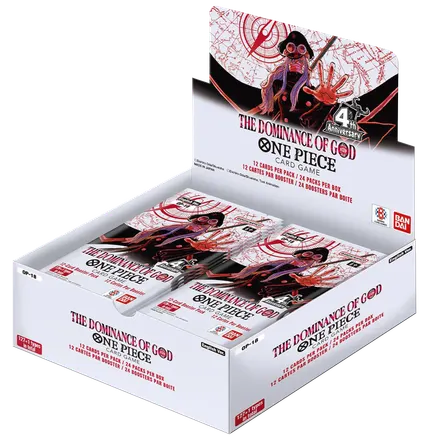
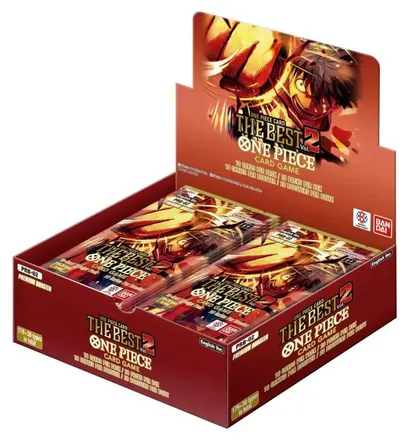
Toward MSRP while printing, upward after print ends, sideways-then-spiking whenever attention strikes — that's the whole machine. Your edge isn't prediction; it's patience plus information. Here's a live snapshot to practise on — current booster boxes sorted by lowest price across the retailers we track:


And the same discipline applies to every game we cover: